
Do I Need Surgery for a Torn Rotator Cuff? Surgery vs. Physical Therapy
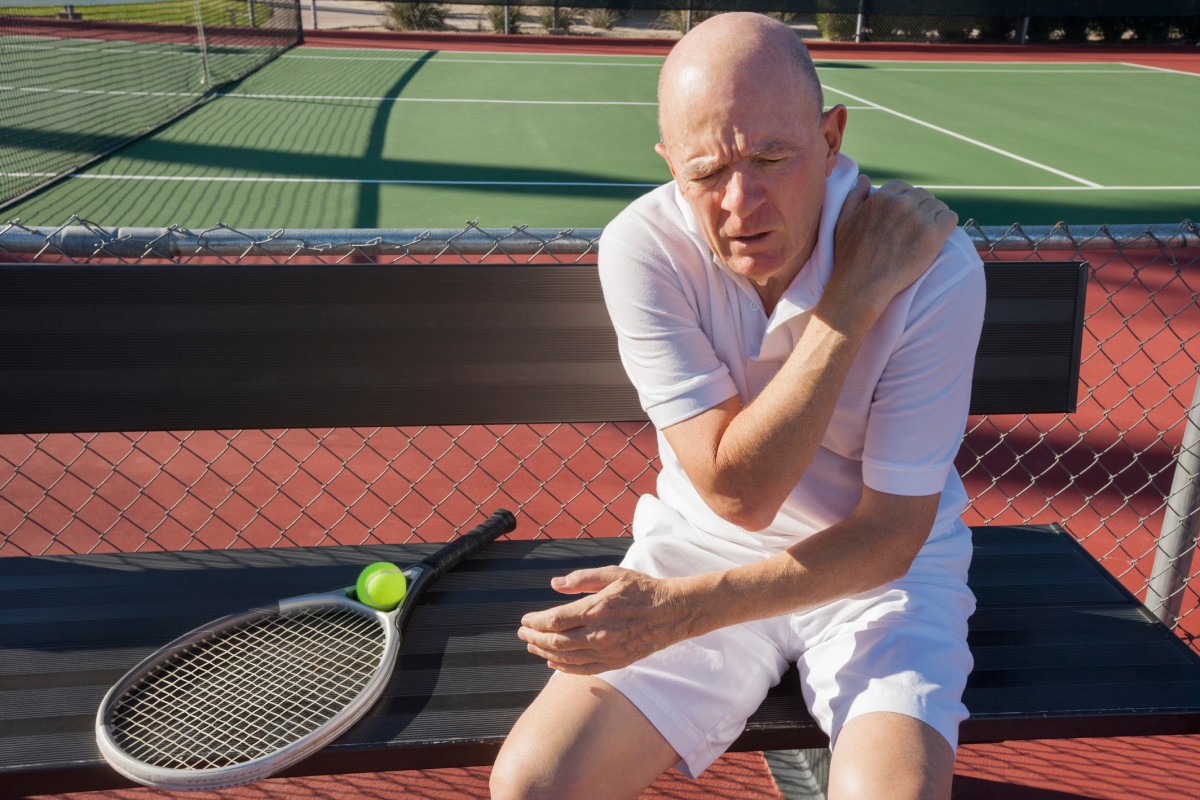
Shoulder pain and weakness are common complaints, and a torn rotator cuff is often the culprit. Each year, about 2 million people in the U.S. seek medical attention for rotator cuff injuries, making it a leading cause of shoulder issues. If you're experiencing persistent shoulder pain, you might be wondering if you need surgery or if your symptoms can be managed some other way.
The answer isn't always straightforward. A torn rotator cuff can be a painful and frustrating injury, limiting your ability to perform daily activities. Fortunately, there are multiple treatment options available, ranging from conservative physical therapy to advanced surgical repair. This guide will explore the differences between these approaches to help you and your orthopedic surgeon make an informed decision about the best path forward for your recovery.
Understanding Your Rotator Cuff
To understand a rotator cuff tear, it helps to first know the anatomy of the shoulder joint. The shoulder is a ball-and-socket joint where the head of the upper arm bone (humerus) fits into a socket in your shoulder blade. The rotator cuff is a group of four muscles and their tendons that surround this joint, keeping the humerus centered and secure. These tendons are crucial for lifting and rotating your arm. A lubricating sac called the bursa allows the rotator cuff tendon to glide smoothly over the bone.
There are two main types of rotator cuff tears:
- Partial Tear: The rotator cuff tendon is damaged but not completely severed from the bone.
- Full-Thickness Tear: The tendon is completely separated from the bone, creating a hole in the tendon.
Common symptoms of a torn rotator cuff include shoulder pain when lifting, weakness in the arm, difficulty with daily activities like combing your hair, and sometimes a grating sensation known as crepitus. These rotator cuff injuries typically happen in one of two ways: an acute injury from a fall or lifting something heavy, or degeneration from gradual wear and tear over time.
Initial Treatment: The Conservative Approach
Most shoulder injuries are first managed with conservative, nonsurgical treatment. The goal of this approach is to reduce pain and inflammation while restoring function without the need for a surgical procedure. Your orthopedic surgeon will likely recommend a combination of the following methods:
- Activity Modification: The first step is often to rest the shoulder and avoid activities that cause shoulder pain. This gives the inflammation a chance to subside.
- Medication: Over-the-counter non-steroidal anti-inflammatory drugs (NSAIDs) like ibuprofen can be effective in reducing pain and swelling in the shoulder joint. Your doctor may also prescribe stronger pain medications if needed.
- Physical Therapy: A physical therapist plays a vital role in recovery. They will guide you through specific exercises designed to restore flexibility, improve your range of motion, and strengthen the muscles around the shoulder joint. This not only aids healing but also helps prevent future injury.
- Cortisone Shots: If pain and inflammation are significant, your doctor might suggest a cortisone injection. This powerful anti-inflammatory medication is injected directly into the shoulder to provide temporary relief.
Many patients find significant relief with these nonsurgical treatment options. However, if symptoms persist after several months, rotator cuff surgery may become the next logical step.
When Is Rotator Cuff Surgery the Right Choice?
An orthopedic surgeon will consider several factors before recommending a surgical procedure for a rotator cuff tear. Surgery is often suggested when:
- Nonsurgical treatment fails: If you've tried conservative methods for 6-12 months without significant symptom relief, surgery may be necessary.
- The tear is large and acute: A large, full-thickness tear (typically over 3 cm) resulting from a recent, acute injury often requires surgical repair.
- There is significant weakness and loss of function: If you are an active individual and the torn tendon is severely impacting your ability to use your arm, surgical repair can restore strength and function.
- The injury is complex: If your rotator cuff tear is accompanied by other shoulder injuries, such as a broken collarbone or dislocated shoulder, surgery might be the best course of action.
Exploring Surgical Options for Rotator Cuff Repair
Thanks to advances in surgical techniques, there are several ways to perform a rotator cuff repair. The type of surgery your doctor recommends will depend on the specifics of your injury.
Shoulder Arthroscopy
Shoulder arthroscopy is the most common and least invasive surgical technique used for rotator cuff repair. During this outpatient procedure, the surgeon makes a few small incisions around your shoulder. A tiny camera, called an arthroscope, is inserted into one incision, allowing the surgeon to view the inside of your shoulder joint on a screen. Miniature surgical instruments are inserted through the other small incisions to perform the tendon repair. The surgeon may use sutures and suture anchors to reattach the torn rotator cuff tendon to the upper arm bone. The primary advantages of arthroscopic rotator cuff repair include less tissue damage, reduced pain, and a faster recovery compared to open surgery.
Shoulder Replacement Surgery
In cases of a massive, irreparable rotator cuff tear combined with severe shoulder arthritis, a shoulder replacement may be necessary. This surgical procedure involves replacing the damaged parts of the shoulder joint with artificial implants.
- Total Shoulder Replacement: This is an option when the rotator cuff is still functional but the joint surfaces are worn out by arthritis.
- Reverse Shoulder Replacement: This is a specialized procedure used when the rotator cuff is severely deficient. The ball-and-socket components are reversed, allowing the powerful deltoid muscle to lift the arm instead of the damaged rotator cuff.
Recovery: Life After Rotator Cuff Surgery
The recovery process is just as important as the surgery itself. Following your surgeon's instructions is crucial for a successful outcome.
Immediate Post-Op
Most rotator cuff repair surgeries, especially shoulder arthroscopy, are performed as an outpatient procedure, meaning you can go home the same day. You will need to wear a sling or another type of immobilizer for about 4 weeks to protect the repair while the tendon heals.
The Role of Physical Therapy
Physical therapy is a critical component of recovery after rotator cuff repair surgery. It typically begins a few days after the procedure and can last for about 3 months. Your physical therapist will guide you through a phased program, starting with passive motion and gradually progressing to active exercises and strengthening. The goal is to safely regain your full range of motion and restore strength to your shoulder.
Timeline and Success
While every patient is different, a significant recovery from rotator cuff surgery generally takes 4-6 months, with full mobility and strength returning within a year. The success rate for these procedures is high, with many patients experiencing complete pain relief and a return to their daily activities. For example, shoulder replacement has a success rate of over 95% in regaining mobility after a year.
Your Path to a Pain-Free Shoulder
A torn rotator cuff has many treatment options, from conservative physical therapy to advanced surgical repair like shoulder arthroscopy. The best approach depends entirely on your specific injury, age, and activity level. Waiting to seek treatment can sometimes make the injury worse, so it's important to address shoulder pain promptly.
If you are experiencing shoulder pain or weakness, don't wait. The experts at Alexander Orthopaedics have extensive experience in both nonsurgical treatment and pioneering outpatient surgical techniques for rotator cuff injuries. Our team will provide a personalized diagnosis and create a comprehensive treatment plan to get you back to living a pain-free life.
FAQs
How Long Does it Take to Recover from Rotator Cuff Surgery?
Recovery varies depending on the size of the tear and the type of surgery. Most patients wear a sling for about 4 weeks. It generally takes 4 to 6 months to achieve significant recovery, but it can take up to a year to regain full strength and mobility.
Is Rotator Cuff Surgery Considered a Major Surgery?
While any surgical procedure has risks, arthroscopic rotator cuff repair is considered a minimally invasive surgery. It is typically performed as an outpatient procedure, and patients go home the same day. Open surgery or shoulder replacement would be considered more major procedures.
How Painful Is Rotator Cuff Repair Surgery?
Pain is managed effectively with modern techniques. An anesthetic nerve block is often used to numb the shoulder for the first day. After that, pain is controlled with a combination of over-the-counter NSAIDs and, if needed, prescription pain medications for a short period. Following your physical therapy plan also helps manage discomfort.
What Can You Never Do After Rotator Cuff Surgery?
To protect the repair, your orthopedic surgeon will advise you to avoid certain activities long-term, such as very heavy overhead lifting or participating in high-impact sports that put excessive strain on the shoulder. These restrictions help ensure the longevity of the surgical repair.
What Happens If a Torn Rotator Cuff Is Not Repaired?
If a torn rotator cuff is left untreated, the tear can get larger over time. This can lead to increased pain, significant weakness, and a permanent loss of motion in the shoulder. It can also lead to the development of cuff tear arthropathy, a type of shoulder arthritis.