
Common Knee Injuries from Car Accidents: How to Know If You Need Surgery or Just Physical Therapy
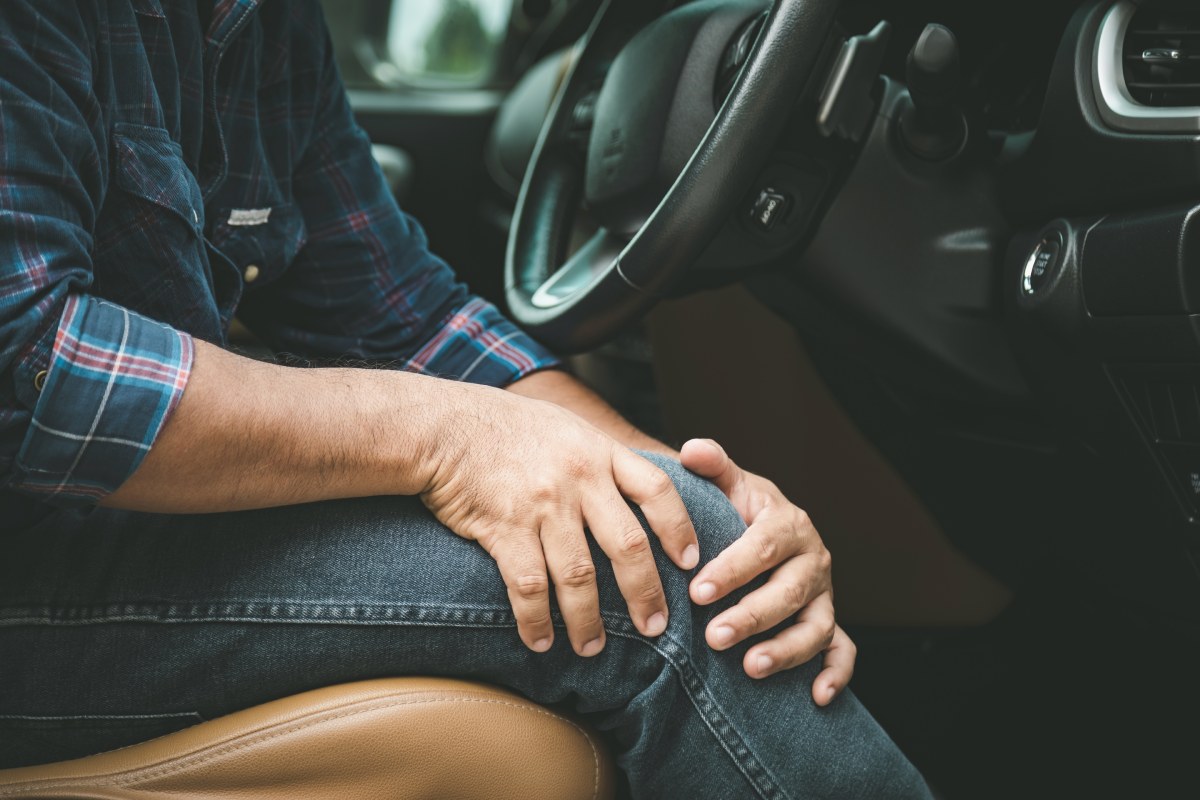
A car accident can turn your life upside down in an instant. Amid the chaos of insurance claims and vehicle repairs, a new, persistent worry can emerge: a knee injury. If you've suffered a knee injury from a car accident, you're likely wondering what recovery looks like. Many car accident victims face a critical question: Will physical therapy be enough, or is surgery unavoidable?
The treatment decision you make in the first few weeks after your accident can significantly impact your long-term mobility and quality of life. Making the right choice is essential for a full recovery.
This guide will help you understand the common types of knee injuries from car accidents, when surgery is necessary versus when physical therapy is the better option, and the key factors that influence this critical decision.
Understanding Knee Injuries from Car Accidents
During a frontal collision, it's common for a driver's or passenger's knee to strike the dashboard forcefully. This impact, often referred to as "dashboard knee," can cause significant trauma to the intricate structures of the knee joint.
Your knee joint is where three main bones meet: the femur (thigh bone), the tibia (shinbone), and the patella (kneecap). These bones are held together by a network of knee ligaments, including:
- Anterior Cruciate Ligament (ACL): Prevents the tibia from sliding forward
- Posterior Cruciate Ligament (PCL): Prevents the tibia from sliding backward
- Medial Collateral Ligament (MCL): Provides stability to the inner side of the knee
- Lateral Collateral Ligament (LCL): Provides stability to the outer side of the knee
The knee also contains the meniscus, two C-shaped pieces of cartilage that act as shock absorbers. A direct blow from a car crash can damage any of these structures, often resulting in complex injuries involving multiple ligaments, bones, and soft tissues.
Common Types of Car Accident Knee Injuries
A car accident can cause a wide range of knee injuries, from minor sprains to severe fractures. Here are some of the most common types of knee injuries seen in car accident victims.
- Ligament Tears: A sudden impact can stretch or tear the ACL, PCL, MCL, or LCL. An ACL injury or PCL injury is particularly common in a dashboard knee incident.
- Meniscus Tears: The force of a collision can twist the knee, causing the meniscus to tear. A torn meniscus can cause pain, swelling, and a "locking" sensation.
- Kneecap Fractures: A direct blow to the front of the knee can cause the patella to break. These knee fractures can range from a small crack to a shattered bone.
- Knee Dislocation: Severe trauma can force the bones of the knee joint out of alignment, resulting in a knee dislocation. This is a serious injury that requires immediate medical attention.
- Soft Tissue Injuries: These include sprains and strains that affect the connective tissue and muscles surrounding the knee, causing pain and instability.
The Critical Decision: Surgery vs. Physical Therapy
Deciding on the right medical treatment depends entirely on the severity of your injury. Most knee injuries are initially managed with conservative treatments, including physical therapy, anti-inflammatory medications, and reduced activity.
When Surgery Is Typically Necessary
Surgery is typically required when the structural integrity of the knee has been compromised by the injury. An orthopedic specialist might recommend surgery for:
- Complete ligament tears, especially of the ACL and PCL
- Displaced kneecap fractures where the bone pieces have moved out of place
- Knee dislocation that requires reconstruction of damaged ligaments or torn ligaments
- Multiple ligament injuries causing significant instability
- Meniscus tears that are large or causing locking symptoms, particularly in young, active patients
When Physical Therapy Is Often the First Choice
For less severe injuries, a non-surgical approach is usually the first response. Physical therapy may be the primary treatment for:
- Partial ligament tears
- Minor meniscus injuries that don't cause locking
- MCL sprains (Grade I or II)
- Soft tissue injuries like sprains and strains without major structural damage
Factors That Influence Your Treatment Decision
Several factors will guide you and your doctor in choosing the best path forward:
- Severity of the Injury: X-rays and MRIs will help determine the grade of ligament damage or the extent of a fracture.
- Your Age and Activity Level: Younger, more active individuals or athletes often benefit from surgical repair to return to their previous level of function.
- Overall Health Status: Other medical conditions can affect your ability to heal from surgery.
- Personal Goals: Are you aiming to get back to playing sports, or is your goal simply to perform daily activities without pain?
- Recovery Timeline: Surgery often involves a longer initial recovery period but may offer better long-term stability and function for more severe injuries.
What to Expect: Surgical vs. Non-Surgical Treatment Paths
The Surgical Treatment Timeline
If surgery is necessary, the process generally involves:
- Pre-operative Preparation: Your orthopedic surgeon will evaluate your injury and overall health to prepare you for the procedure.
- Standard Procedures: Depending on the injury, these may include ACL reconstruction, meniscus repair, or fracture fixation using screws and plates. Many of these can be done arthroscopically, a minimally invasive technique.
- Rehabilitation: Following surgery, you will initiate a structured physical therapy program to restore range of motion, strength, and stability. Recovery can take several months.
The Physical Therapy Approach
If you pursue a non-surgical route, your treatment will focus on:
- Initial Assessment: A physical therapist will evaluate your knee's strength, stability, and range of motion.
- Pain Management: Early treatment focuses on reducing pain and swelling through techniques such as applying ice and elevating the affected area.
- Progressive Exercises: You will gradually begin exercises to strengthen the muscles surrounding your knee, improving flexibility and balance. Improvement can often be seen within a few weeks or months.
Warning Signs That a Knee Injury Requires Immediate Medical Attention
After a car accident, it's crucial to watch for signs of a serious knee injury. Seek immediate medical care if you experience:
- Severe pain that doesn't improve with rest.
- Inability to bear weight on the affected leg.
- Visible deformity or a feeling that your knee is unstable or "giving out."
- Numbness or tingling in your lower leg.
- Signs of infection (fever, redness, warmth) if you have an open wound.
- A limited range of motion that appears to be worsening.
Making the Right Choices for Your Knee Injury Recovery
Dealing with a car accident knee injury can be overwhelming, but if you’re experiencing knee pain right after a car accident, it’s important to get evaluated as soon as possible. Even seemingly minor discomfort can indicate a serious injury, such as a torn ligament or damage to the cartilage or bone. Florida’s Personal Injury Protection (PIP) laws require that you seek medical care within 14 days of the accident for your treatment to be covered, so timely evaluation by an orthopedic specialist is essential. Early diagnosis not only protects your long-term health but also ensures accurate documentation of your injuries for insurance and legal purposes.
If your pain limits your ability to work or perform daily activities, you may also need to consult a personal injury attorney. A qualified lawyer can help coordinate medical care, communicate with insurance providers, help you deal with medical bills and lost wages, and ensure your medical records and treatment plans are properly documented for your case. Getting expert medical attention first sets the foundation for both your recovery and any legal action you may need to pursue.
Get Expert Knee Injury Treatment at Alexander Orthopaedics
At Alexander Orthopaedics, our team specializes in diagnosing and treating all types of knee injuries: from ligament tears and meniscus damage to fractures and post-traumatic pain. Using advanced imaging, minimally invasive arthroscopic techniques, and personalized rehabilitation plans, our orthopedic specialists help patients recover strength, mobility, and confidence after injury.
Whether your knee pain comes from a car accident, sports injury, or wear and tear over time, we’re here to guide you every step of the way from evaluation to recovery. Get back to doing what you love, pain-free. Schedule a consultation with Alexander Orthopaedics today for an expert evaluation and a personalized treatment plan.